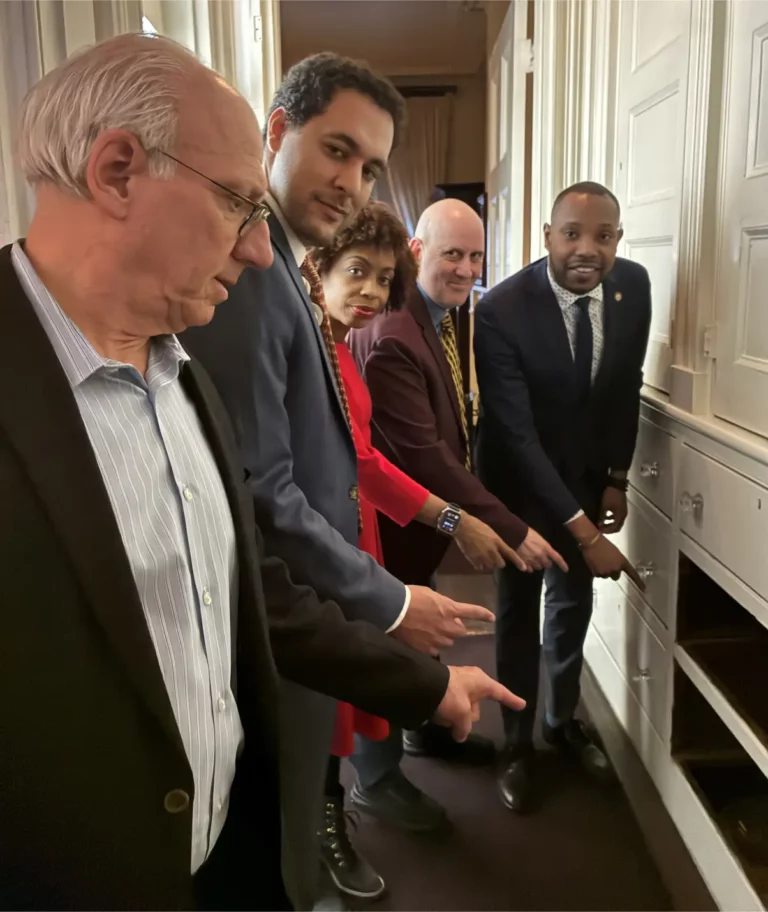

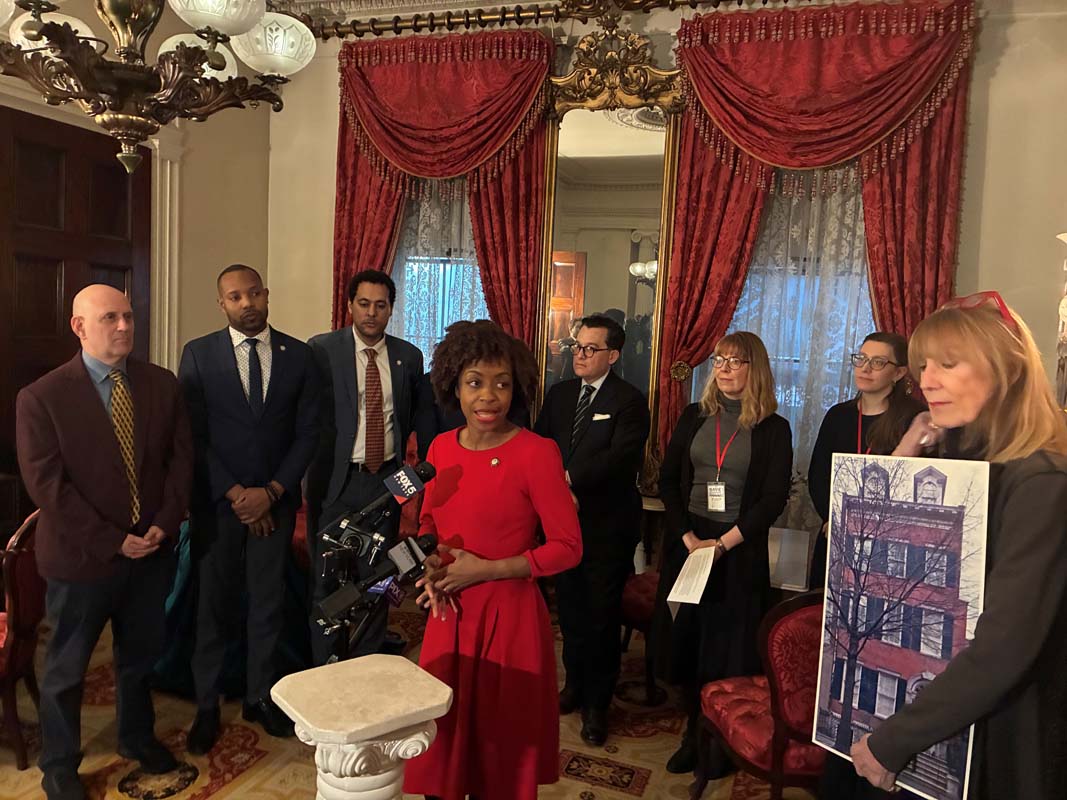
Councilmember Selvena Brooks-Powers speaks at Merchant’s House Museum event and details discovery of a stop along the Underground Railroad discovered within the house.
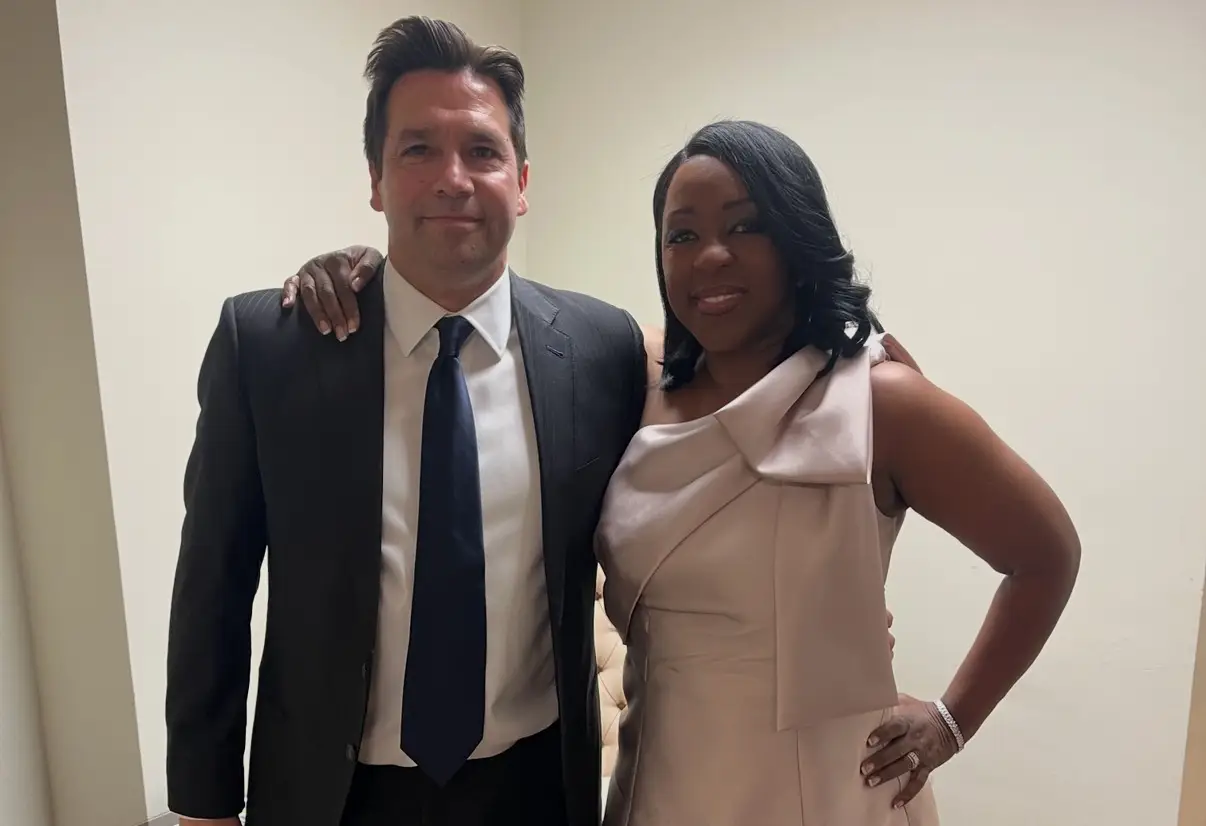
DHC’s Zack Fink and Cheryl Wills of NY1 at Black Caucus Gala. View NY1 Story on Merchant’s House Museum Underground Railroad discovery.
———————–
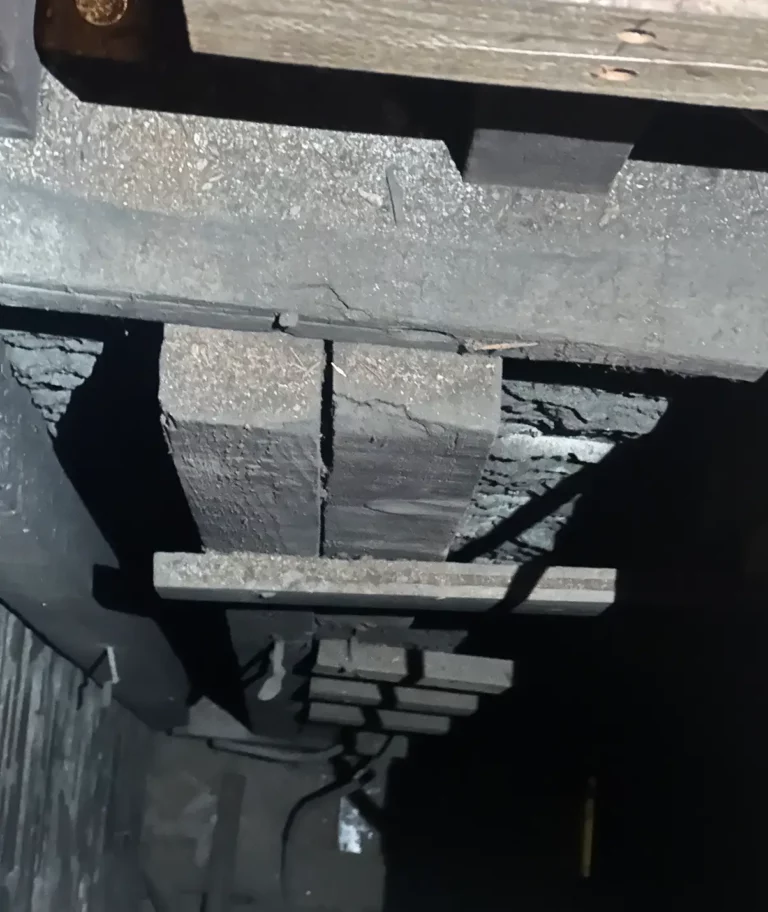
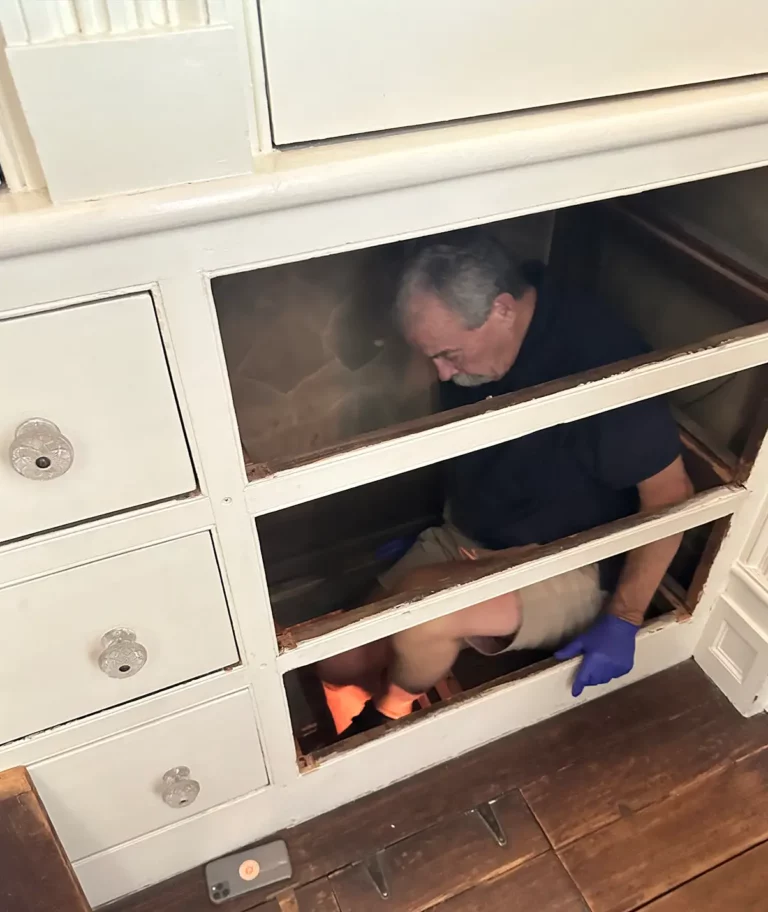
February 17, 2026 (New York, NY) – For the first time in over a century, a previously unknown, fully-intact Underground Railroad site has been discovered in Manhattan, at the landmark 1832 Merchant’s House Museum on East 4th Street. A narrow passageway, about 2 feet square and secreted beneath a built-in chest of drawers on the second floor, descends 15 feet to the ground floor.
Two years of extensive research points to a remarkable conclusion: the Merchant’s House is the earliest known site of Underground Railroad activity in New York City. Built in 1832 by abolitionist Joseph Brewster, the house contains a concealed passageway that serves no known domestic purpose. Moreover, it is an architectural anomaly: no other 1830s houses have similar passageways.
For the last eight years DHC has represented the Merchant’s House Museum, the only 19th-century family home in Manhattan preserved completely intact, inside and out, in a concerted effort to protect this fragile, historic jewel from proposed development next door. The tireless, unwavering efforts to safeguard the Merchant’s House Museum by its director Margaret Halsey Gardiner and her staff, in concert with the support provided by DHC through partners Arthur Goldstein and Howard Weiss, and our Director of External Affairs Zack Fink, have taken on a new and exciting dimension with the latest revelation of the building’s indisputable link to the Underground Railroad.
As stated by Council Member Chris Marte: “Many New Yorkers forget that we were a part of the abolitionist movement, part of the Civil Rights movement. This hidden passageway is physical evidence that really shows New York City’s connection to what happened in the south, what happened during the Civil War, and what’s still happening today. … It has to be protected.”
The late 1820s and early 1830s were the early days of the abolitionist movement in New York City – a turbulent time. Although New York State abolished slavery in 1827, the city’s booming economy remained deeply entangled with the slave South. The city was firmly pro-slavery. Free Black New Yorkers led anti-slavery efforts during this period, facing mobs of rioters along with white abolitionists; and safe houses operated in deep secrecy. It was in this dangerous climate that abolitionist Brewster built his secret passageway.
The only other existing intact shelter point of the Underground Railroad left in Manhattan is the Hopper-Gibbons House, in Chelsea; however, that site is later, 1840, and not open to the public. The Merchant’s House Museum is publicly owned city property, and attracts thousands of visitors.
To quote architectural historian Patrick Ciccone, “Given how very, very few physical traces of the Underground Railroad survive anywhere in the U.S., the existence and physical integrity of this space give the 1832 landmark Merchant’s House additional magnitudes of incalculable historic significance.”
Since 1936, the Merchant’s House Museum has told the story of the domestic life of a wealthy merchant-class family and their Irish servants in the mid-19th century. With this remarkable new discovery, the museum will expand the story of the house to include the abolitionist movement and the early Underground Railroad.